
Pregnancy is one of the most significant events in a woman’s life, affecting her not just physically, but emotionally and mentally. Physical and mental health during and after pregnancy can have enormous consequences for the health and well-being of the child and both should be carefully monitored. After the enormous strain and anxiety of giving birth it’s little wonder that a woman can feel exhausted, moody and generally ‘down’. But what is called postpartum depression—a feeling of sadness, emptiness, listlessness after giving birth—is regarded as a real medical condition occurring in, according to several European studies, around 15% of all deliveries. The focus, particularly in the media, has been on depression after delivery of the child, but feelings of anxiety and depression before the birth cannot be overlooked, and affect a statistically important number of women in many countries. Depression before giving birth is referred to as ‘perinatal depression.’
The Symptoms of Perinatal Depression
Normal pregnancy can produce some of the symptoms and signs of depression such as tiredness, trouble sleeping, emotional volatility, and lack of appetite. Pregnancy can thus mask the symptoms of depression, which is why it’s important to consult a doctor if there’s concern about any of the following:
- A frequent urge to cry
- Trouble sleeping
- Changes in appetite
- Excessive tiredness
- Increase in anxiety
- Lack of interest in the developing baby

The Symptoms of Postpartum Depression
During pregnancy, levels of estrogen and progesterone hormones, needed to make the uterus pliable and strengthen the placenta, increase dramatically, but within 48 hours after the baby is born they decrease sharply and many researchers believe this ‘crash’ of hormone levels can contribute to postpartum depression. Postpartum depression can be more intense and longer lasting than perinatal depression and include the following symptoms:
- Intense anxiety
- Continuous irritability or anger
- Extreme tiredness and absence of energy
- Excessive worry about the baby
- Breathlessness and hyperventilation
- Feelings of worthlessness, inability to cope as a mother, guilt
- Absent-mindedness and inability to concentrate
There is also a more severe form of postpartum depression, called postpartum psychosis, but is fortunately rare. Common symptoms include:
- Auditory or visual hallucinations
- Delusional ideas
- Suicidal thoughts
- Aggressive feelings toward the baby
Any of these symptoms require immediate care, and should not be ignored.
Risk Factors of Perinatal and Postpartum Depression
With the dramatic changes in her body over the gestational period and the steep rise in hormonal levels prior to giving birth, followed by the sudden drop afterwards, it’s entirely natural for a woman to experience some of the physical or emotional symptoms associated with depression. But some women may be more at risk than others. Some of these risk factors include:
- A personal or family history of depression or anxiety
- A previous difficult pregnancy or birth
- Relationship problems with partner
- Ongoing financial problems
- The pregnancy was unplanned
- Lack of support from family or friends
The Effect of Depression on the Baby
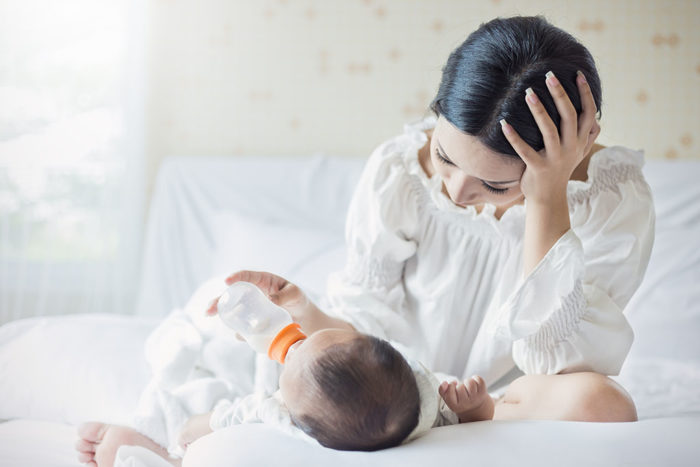
The effect of a mother’s depression on the baby may not be apparent immediately, but bonding between mother and baby is essential for the baby’s development. Feelings of disinterest, emotional detachment or, worse, maternal antagonism. if prolonged will hinder the growth of the mother-baby bond. The baby will begin to register the lack of responsiveness to its needs and become distressed, which increases the mother’s own depressive symptoms, establishing a cycle of reinforcement which can have long-term negative consequences for the growing child. Research has indicated that extended postpartum depression can result in:
- Delay in the child’s language development
- Behavioural problems
- Physical development and a higher risk of obesity
- Difficulty in adapting socially
Treatment for Depression
The treatment for pre- and post-natal depression is much the same as the treatment for other forms of depression: counselling, or medication, or a measured combination of both.
Many women report the benefits of counselling or ‘talk therapy’ while pregnant. Negative feelings such as anxiety are reduced or eliminated completely and skills can be learned to manage the symptoms of depression. Counselling, with the ensuing sense of reassurance and confidence, seems to be particularly effective in combination with alternative treatments such as massage or acupuncture. A study by Stanford University in the US found that 63% of women who underwent a form of acupuncture tailored for depression experienced beneficial effects.
There are many anti-depressant drugs which are effective in treating depression during and after pregnancy, and generally have no ill-effects on either mother or child, though of course a certified health-provider should be consulted before taking medication.

Does IVF Treatment Affect Depression?
If a woman is undergoing IVF treatment for an infertility problem she may experience anxiety or depression during the process. But if she has full confidence in the treatment she’s receiving and the institution or clinic in which she’s having the treatment, depression can be minimised or reduced to vanishing point. Generally speaking, mothers undergoing IVF treatment are at no greater risk of anxiety or depression than mothers not having suchtreatment. But for those with fertility issues, IVF treatment, with its increased chances of getting pregnant, can reduce the worry and anxiety associated with infertility. Interestingly,a study by the American Journal Reproductive Health,found that the parenting morale of mothers four months after giving birth was significantly higher among those who had had IVF treatment than among those who had conceived spontaneously.
As stated above, the institution or clinic chosen for IVF treatment is crucial, but with medical tourism an accepted part of the search for health solutions, the world is a woman’s oyster when it comes to finding the institution best suited for her needs. The Gynem Clinic, a family-owned fertility clinic located in Prague, has become synonymous with world-leading quality fertility treatment. State-of-the-art facilities and the use of cutting-edge technologies have helped the clinic achieve a stunningly impressive success rate in IVF treatment. In 2019 the clinic’s success rate was 63% through egg donation and 52% through IVF. More impressive still is its score on egg freezing, with 70% of clients having eggs left over to be stored for later use. Knowing that she has a good chance of getting pregnant again at a time of her own choosing gives a woman a sense of control and thus diminishes anxiety, depression and other mental and emotional difficulties experienced during pregnancy.